
A push pull legs (PPL) split organises your training by movement pattern: pushing muscles one day, pulling muscles the next, legs after that. Run across six days, it is one of the most effective ways for an intermediate lifter to train every muscle twice per week with enough volume to grow.
[GENERATE IMAGE: hero | 1200×630 | dark background #08080a, orange #ff7a3c accent glow, abstract barbell and six-day week geometry, generous negative space, no people, no text | filename ppl-hero.webp | alt “Push pull legs 6-day workout split programme”]
If you have been lifting for six months or more and your beginner programme has stalled, PPL is probably the split you keep hearing about. There is a reason: it is simple, it is flexible, and it puts your training week on a logical skeleton that is hard to mess up. Push day hits chest, shoulders and triceps. Pull day hits back, biceps and rear delts. Leg day hits quads, hamstrings, glutes and calves. Then you repeat it.
This guide gives you the complete programme: the exact weekly layout, every exercise with sets, reps and RPE targets, a progression scheme that actually works, 3-day and 5-day variants for busier weeks, deload guidance, and the mistakes that stall most people. Everything below assumes you can train six days a week and already know how to squat, hinge, press and row with decent form. If you are brand new to the gym, skip to the FAQ — there is a better starting point for you, and I will tell you honestly what it is.
The 6-Day Split, Laid Out
The classic PPL week runs six training days and one rest day. Each muscle group gets hit twice per week, which is the frequency sweet spot for hypertrophy for most intermediates: enough stimulus to grow, enough recovery between sessions for the same muscles.
We will use an A/B rotation — Push A and Push B are different workouts, not repeats. This lets you emphasise different movements and avoid beating up the same joints with identical loading twice a week. It is also exactly how structured plans are built inside good tracking apps.
| Day | Session | Focus | Key lifts |
|---|---|---|---|
| Monday | Push A | Chest emphasis | Barbell bench press, overhead press, incline dumbbell press |
| Tuesday | Pull A | Back thickness + deadlift | Deadlift, weighted pull-up, barbell row |
| Wednesday | Legs A | Quad emphasis | Back squat, Romanian deadlift, leg press |
| Thursday | Rest | — | Walk, mobility, or full rest |
| Friday | Push B | Shoulder emphasis | Overhead press, incline barbell press, dips |
| Saturday | Pull B | Back width | Barbell row, pull-ups, chest-supported row |
| Sunday | Legs B | Hinge / glute emphasis | Romanian deadlift, front squat, hip thrust |
[GENERATE IMAGE: weekly split diagram | 1600×900 | dark #08080a, orange #ff7a3c accent, clean 7-column grid showing Push A / Pull A / Legs A / Rest / Push B / Pull B / Legs B, minimal text | filename ppl-split-diagram.webp | alt “6-day push pull legs weekly training schedule diagram”]
Why Thursday rest and not Sunday? Splitting the week 3-on / 1-off / 3-on keeps fatigue manageable. Three hard days back-to-back is fine; six straight days before a rest day is where performance starts to fall off a cliff for most people. If your schedule forces different days, keep the order and just shift the rest day — the sequence matters more than the calendar.
The Full Programme: Exercises, Sets, Reps and RPE
A quick note on RPE (rate of perceived exertion) before the tables: RPE 10 means you could not have done another rep. RPE 9 means one rep left in the tank. RPE 8 means two reps left. Most of your working sets should land at RPE 7–9. If every set is a grinder at RPE 10, you are not training — you are testing, and you will stall or get hurt.
Rest 2–4 minutes on heavy compounds (squat, bench, deadlift, rows), 60–90 seconds on isolation work. Total weekly volume lands around 12–18 hard sets per major muscle group, which sits squarely in the evidence-based range for hypertrophy.
Push A — Chest Emphasis
| Exercise | Sets × Reps | RPE | Notes |
|---|---|---|---|
| Barbell Bench Press | 4 × 5–8 | 8–9 | Main strength lift. Full range, pause optional on the chest. |
| Overhead Press (standing) | 3 × 6–10 | 8 | Brace hard; no excessive layback. |
| Incline Dumbbell Press | 3 × 8–12 | 8 | 30° incline. Stretch the chest at the bottom. |
| Lateral Raise | 3 × 12–20 | 9 | Strict. Slight lean forward is fine; no swinging. |
| Triceps Pushdown | 3 × 10–15 | 9 | Elbows pinned. Full lockout. |
| Overhead Triceps Extension | 2 × 10–15 | 9 | Cable or dumbbell. Stretches the long head. |
Pull A — Thickness + Deadlift
| Exercise | Sets × Reps | RPE | Notes |
|---|---|---|---|
| Deadlift (conventional or trap bar) | 3 × 5 | 8 | One heavy hinge per week is enough. Leave reps in reserve. |
| Weighted Pull-Up or Lat Pulldown | 4 × 6–10 | 8–9 | Full hang to chest-to-bar. Add weight when bodyweight gets easy. |
| Barbell Row | 3 × 6–10 | 8 | Torso ~45°. Pull to lower ribs. |
| Face Pull | 3 × 12–20 | 9 | Rear delts and upper back health. Do not skip these. |
| Barbell Curl | 3 × 8–12 | 9 | Strict. Small cheat on the last rep is acceptable, not the plan. |
| Hammer Curl | 2 × 10–15 | 9 | Brachialis and forearms. |
Legs A — Quad Emphasis
| Exercise | Sets × Reps | RPE | Notes |
|---|---|---|---|
| Back Squat | 4 × 5–8 | 8–9 | Main lower strength lift. Depth you can own, not depth you survive. |
| Romanian Deadlift | 3 × 8–12 | 8 | Hinge pattern. Feel the hamstrings load; bar stays close. |
| Leg Press | 3 × 10–15 | 9 | Feet mid-platform. Do not lock knees hard at the top. |
| Lying or Seated Leg Curl | 3 × 10–15 | 9 | Direct hamstring work the RDL does not fully cover. |
| Standing Calf Raise | 4 × 10–20 | 9 | Full stretch, 1-second pause at the bottom. |
Push B — Shoulder Emphasis
| Exercise | Sets × Reps | RPE | Notes |
|---|---|---|---|
| Overhead Press (seated or standing) | 4 × 5–8 | 8–9 | Now the main lift. Bench moves to support. |
| Incline Barbell Press | 3 × 6–10 | 8 | Upper chest without repeating Monday’s dumbbell work. |
| Dips (weighted if possible) | 3 × 8–12 | 8–9 | Lean slightly forward for chest, upright for triceps. |
| Cable Lateral Raise | 3 × 12–20 | 9 | Constant tension beats dumbbells here. |
| Skullcrusher | 3 × 8–12 | 8 | Elbows slightly back, not flared. Protect the elbows. |
| Rope Pushdown | 2 × 12–20 | 9 | Finisher. Split the rope at the bottom. |
Pull B — Width Emphasis
| Exercise | Sets × Reps | RPE | Notes |
|---|---|---|---|
| Barbell Row | 4 × 6–10 | 8–9 | Heavier than Tuesday’s row. This is the main pull today. |
| Pull-Up (bodyweight) | 3 × max − 1 | 9 | Stop one rep shy of failure. Add a set when you can do 12+. |
| Chest-Supported Row | 3 × 8–12 | 8 | Machine, T-bar or incline-bench dumbbell row. No momentum. |
| Rear Delt Fly | 3 × 12–20 | 9 | Cable or dumbbell. Light and strict. |
| Incline Dumbbell Curl | 3 × 10–15 | 9 | Stretches the long head of the biceps. |
| Cable Curl | 2 × 12–20 | 9 | Finisher. Squeeze at the top. |
Legs B — Hinge / Glute Emphasis
| Exercise | Sets × Reps | RPE | Notes |
|---|---|---|---|
| Romanian Deadlift | 4 × 6–10 | 8–9 | Now the main lift. Heavier than Wednesday’s version. |
| Front Squat or Hack Squat | 3 × 6–10 | 8 | Quad work without loading the lower back like a back squat. |
| Bulgarian Split Squat | 3 × 8–12 / leg | 8–9 | Unilateral. Humbles everyone. Start lighter than your ego wants. |
| Hip Thrust | 3 × 10–15 | 8 | Glutes. Full lockout, 1-second hold. |
| Seated Calf Raise | 4 × 10–20 | 9 | Hits the soleus, which the standing version undertrains. |
Sessions should take 60–90 minutes. If you are consistently over 90 minutes, you are resting too long on isolation work or scrolling between sets — tighten it up before you cut exercises.

How to Progress Week to Week
A programme without a progression plan is just a list of exercises. Use double progression — it is the simplest system that works, and it is what most successful intermediates actually run:
- Pick your rep range (already set above, e.g. 5–8 on bench press).
- Start at a weight you can handle for the bottom of the range at RPE 8. If the range is 5–8, start with a weight you can press for 5 clean reps with 2–3 reps left in the tank. Leave your ego at the door on week one.
- Add reps each session. Next bench day, aim for 6s across all sets. Then 7s. Then 8s.
- When you hit the top of the range on all sets at the target RPE, add weight. Upper-body lifts: +2.5 kg. Lower-body lifts: +5 kg. Then you drop back to the bottom of the range and start climbing again.
A concrete example: you bench 80 kg for 4×5 in week one. Week two: 4×6. Week three: 4×7. Week four: 4×8 at RPE 8. Week five: 82.5 kg for 4×5. That is 2.5 kg added to your bench every month — 30 kg in a year. Almost nobody actually sustains that, but the lifters who come closest are the ones running a system like this instead of guessing.
For isolation work (curls, lateral raises, pushdowns), progress in reps first and only add the smallest plates when you can exceed the top of the range comfortably. Small muscles cannot take 2.5 kg jumps the way a squat can.
When you stall: if a lift has not moved in 2–3 weeks, do not just keep hammering it. Drop the weight 10%, rebuild through the rep ranges, and it will usually blow past the old sticking point. If the same lift stalls twice after a reset, swap the variation (e.g. close-grip bench for regular bench, front squat for back squat) and run the progression again. Stalling on everything at once is not a programming problem — it is a recovery problem. Check sleep, food and stress before you blame the split.
3-Day and 5-Day Variants
Six days is not always possible. The split survives compression well because the movement-pattern logic holds at any frequency.
The 3-day version
Train Monday, Wednesday, Friday. Rotate Push → Pull → Legs, so each week you start where the last one ended. Every muscle gets hit roughly once per week. Keep the compound lifts from the A days and trim accessories to fit 60 minutes:
| Day | Session (condensed) |
|---|---|
| Monday | Push: bench 4×5–8, overhead press 3×6–10, incline dumbbell press 3×8–12, lateral raise 3×12–20, pushdown 3×10–15 |
| Wednesday | Pull: deadlift 3×5, pull-up/lat pulldown 4×6–10, barbell row 3×6–10, face pull 3×12–20, curl 3×8–12 |
| Friday | Legs: squat 4×5–8, Romanian deadlift 3×8–12, leg press 3×10–15, leg curl 3×10–15, calf raise 4×10–20 |
This is also the version a beginner should run if they insist on PPL (see the FAQ). One hard session per muscle per week is plenty when every weight is still going up.
The 5-day version
Run Push / Pull / Legs / Upper / Lower across five days with two rest days. The Upper day cherry-picks the best push and pull compounds (bench, row, overhead press, pull-up, one curl, one pushdown); the Lower day hits squat and RDL plus one quad and one hamstring accessory. You keep the twice-weekly frequency on everything that matters and gain two full rest days, which many lifters find is the sweet spot between the 6-day and 4-day options.
Deloads: When and How
You cannot add weight forever. Fatigue accumulates, joints get cranky, and performance flatlines. A deload is a planned easy week that lets fatigue dissipate so the next training block can push higher. Most intermediates need one every 6–8 weeks; some can go 10–12.
Signs you need one now rather than later: weights dropping for no clear reason, persistent soreness that does not clear between sessions, sleep getting worse, appetite down, or you simply dread training. Two or more of these for a week means deload, not “push through it.”
How to deload: keep the same exercises and the same training days, but cut volume roughly in half (half the sets) and drop intensity to around RPE 6–7 — weights you could do for many more reps. It should feel almost too easy. That is the point. One week, then back to the programme at the weights you left off. Most lifters come back stronger in week one post-deload; if you do not, your deload was either too hard or you actually need a full week off, which is fine a couple of times a year.
Do not programme-hop during a deload. The flat feeling of a deload week convinces more lifters to abandon good programmes than any actual plateau does.
Common Mistakes
1. Too much volume. The number one PPL killer. Six days already gives you high frequency — you do not need 25 sets per session on top of it. If you are adding exercises because the programme “feels too short,” you are probably resting 4 minutes between lateral raises. More junk volume just eats recovery.
2. Skipping the second leg day. Legs B is not optional. It is where the hinge pattern and glutes get their dedicated work. Skip it and you get the classic PPL physique: big chest, no posterior chain.
3. No progression system. Doing 4×8 with the same weight for three months is maintenance, not training. If you are not logging weights and beating them, the programme cannot work. This is the mistake a tracker eliminates.
4. Programme hopping. PPL works on month four, not week two. Give any programme at least 8–12 weeks before judging it. The best programme is the one you actually run for six months.
5. Grinding everything to RPE 10. Training to failure on compounds every session is how you stall in six weeks and injure yourself in twelve. The RPE targets above are there for a reason — most sets should feel challenging but repeatable.
6. Ignoring the small stuff. Face pulls, calf raises, rear delt work — boring, unglamorous, and exactly what keeps shoulders and knees healthy over years of pressing and squatting. The accessories are not filler.
7. Running 6-day PPL too early. If you cannot yet squat, bench, deadlift, row and press with stable technique, six days of volume will ingrain bad patterns and outrun your recovery. Build the base first — the split will still be here in six months.
Track Every Session (Free)
Everything above only works if you know what you lifted last time. A programme lives or dies on its logbook: the weights, the reps, the RPE, week after week. Memory is not a tracking system.
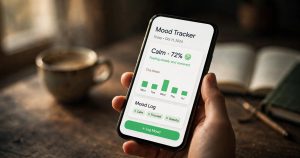
Fitness100 is a free workout tracker built for exactly this. It comes with structured Push-Pull-Legs weekly plans built in, logs every set with weight and reps, and shows you progression charts per exercise — so you can see at a glance whether your bench is actually moving or just feels like it. Session summaries break down volume and worked muscles, and the progress calendar keeps your training streak visible.
One honest note: Fitness100 is iOS only — there is no Android version. If you train with an iPhone, it is free on the App Store and takes about two minutes to set up with this programme.
Conclusion
Push pull legs endures because it is built on something true: muscles recover faster than the old bro-split assumed, and organising by movement pattern keeps every week balanced without a spreadsheet. Run the 6-day version as written, progress with the double-progression system, deload when the signs show up, and give it six months. That is the whole secret — there is not a more complicated one.
Now log it. The lifters who track every session are the lifters who are still progressing a year from now.
Frequently Asked Questions
Is PPL good for beginners?
Honestly, the 6-day version is usually too much for a true beginner. New lifters progress fastest on 3-day full-body programmes because every session can add weight, technique is still being learned, and recovery capacity is untested. Six days of PPL volume on top of shaky form is a recipe for stalling early. If you love the structure, run the 3-day PPL variant in this guide — and move to the full 6-day version once your lifts have stalled on the simpler programme, typically after 6–12 months of consistent training.
Can I do PPL 3 days a week?
Yes. Train Monday, Wednesday and Friday, rotating Push → Pull → Legs so each week starts where the last ended. Each muscle gets trained roughly once per week, which is enough to maintain and even build for early intermediates, and it fits a busy schedule. Use the condensed sessions in the 3-day variant section above. It will not match the 6-day version for growth, but a 3-day programme you actually complete beats a 6-day programme you abandon.
How long should I run PPL?
As long as you are progressing. For most intermediates that is 4–8 months on the 6-day version before progress naturally slows. When it does, change the exercises — not the split. Swap bench for close-grip bench, back squat for front squat, barbell row for Pendlay row — and run the progression again. Lifters run variations of PPL productively for years. If you are bored rather than stalled, that is a discipline problem, not a programming problem.
PPL vs Upper/Lower — which is better?
Neither is objectively better; they answer different schedules. A 6-day PPL gives slightly higher weekly volume and frequency per muscle, which favours hypertrophy if you can recover from six sessions. A 4-day Upper/Lower split delivers nearly the same results with more rest days and more life flexibility — and for strength-focused lifters it is often the better pick. Choose by your calendar: if you can genuinely train six days a week for months, run PPL. If four days is realistic, run Upper/Lower without guilt. Consistency on either beats inconsistency on the “optimal” one.